Order in the Mess: Why the Anti-ICE Chaos in Minneapolis (and Beyond) is Doomed – A Grateful Immigrant’s Take

Fellow Americans, let’s cut through the noise in the Twin Cities right now – businesses shuttering in “solidarity” (or fear), protesters clashing with feds at MSP, tragic raid incidents twisted into outrage bait, and whispers of general strikes. It’s the same script playing out in sanctuary strongholds nationwide: anti-ICE agitators raging at law enforcers while shielding the real culprits – greedy employers hiring off-the-books, criminal aliens exploiting the shadows, and politicians like Ilhan Omar, Tim Walz, and Jacob Frey who enable it all with their defiance of federal law.

As a legal immigrant who’s walked the path – paperwork, patience, pledge of allegiance – I see this “mess” for what it is: the painful but necessary fallout from years of ignoring the pillars that hold any society up. Accountability? Tossed aside when cities like Minneapolis declare themselves above immigration enforcement, letting violations stack up until raids become inevitable “resets.” Assimilation? Undermined by policies that reward illegal entry over the hard work of integrating legally, depressing wages for citizens and legals alike while straining schools, hospitals, and streets with unchecked chaos. Allegiance? Betrayed by leaders with a “savior complex,” prioritizing outsiders over the very compact that makes America a beacon – rule of law, not selective anarchy.

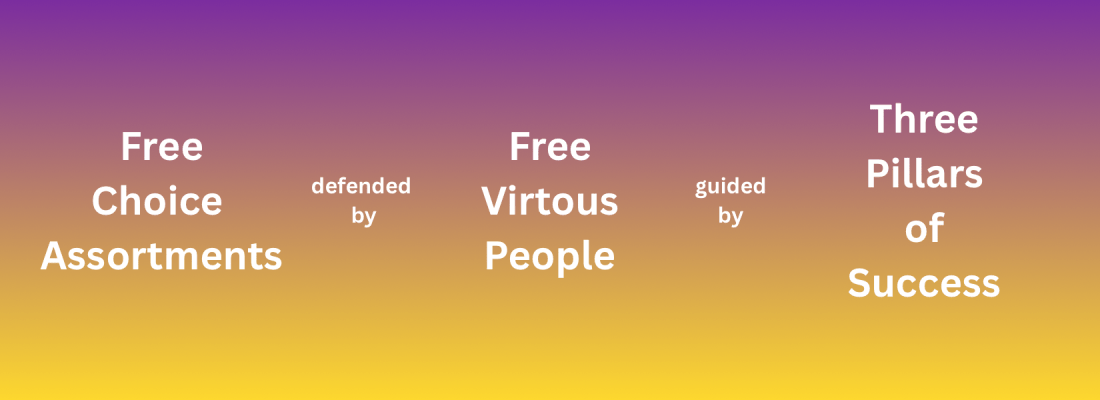
But here’s the sharp truth tying back to nature’s law of voluntary assortments (or associations, if you prefer the precise term): Humans, like sardines schooling in tight, trusting formations or birds flocking with kin, thrive on voluntary bonds – freely chosen groups based on shared values, mutual benefit, and limited scope. Force the mix – cram in the unvetted, the unwilling, the rule-breakers – and you get resentment, cycles of revenge, and eventual collapse. America’s Founders got this: they rejected tyranny’s forced conquests for a republic of checks, balances, and selective inclusion. Sanctuary defiance? It’s the opposite – a fatal fantasy that protects law-breakers at everyone’s expense, eroding trust and fairness.

Protesters scream “terror” at ICE, but who’s really terrorizing? The feds targeting felons (not random legals like me, who have zero to fear), or the exploiters fueling theft rings, drug flows, and trafficking that victimize our communities? Those temporary closures at spots like Pineda Tacos or El Burrito Mercado? Short-term pain from misinformation, but a gateway to higher standards – fair wages, safer neighborhoods, real opportunities for those who play by the rules.

And why will these agitators inevitably fail? Because they’re on the wrong side of history and human nature. Movements built on defending violations over victims crumble under their contradictions. Public support for enforcement holds strong despite the street theater – facts like no widespread mistaken deportations prove the system’s precision, not prejudice. Gratitude wins over grievance; order trumps endless disruption.

One more sign of hope amid the lies: When Walz’s crew or Frey’s ilk have to fabricate tales – downplaying crime spikes or spinning targeted ops as “indiscriminate” – it exposes their weakness. If their open-border utopia were viable, they wouldn’t need deception. Lies are the death rattle of bad ideas; truth, like voluntary assortments, always resurfaces stronger.

Build those pillars daily, friends. Assimilate with pride, demand accountability, pledge true allegiance. That’s the path from closed doors to open futures. America endures because of it.

#OrderInTheMess #GratefulImmigrant #RuleOfLaw

LIVE GRATEFUL 🇺🇸

Cont… Fatal Fantasies

Fantasy in the mess—and the contrast proves it deadly.

Consider the Maryland man (Kilmar Abrego Garcia) who dominated left-leaning headlines: final deportation orders, prior infractions (domestic violence, reported gang ties), family separation anguish splashed across media. Outrage loud—yet the legal operation ended peacefully. No shots. No tragedy.

Why? No one threw themselves into the middle. No resistance in the immediate melee. No escalation from fantasy to fatal zig/zag.

Here in Minneapolis, the environment differs: Sanctuary rhetoric amplified (“get out” demands, past “Gestapo” analogies condemned as dangerous). Protests with “ICE get out” signs. Aggression toward enforcement framed as moral duty.

This fantasy—defiance as heroic rescue without consequence—meets armed reality. Renee Good and Alex Pretti gone in separate incidents. Disputes over threat vs. force, but pain undeniable.

As a grateful immigrant who chose allegiance over conquest, I know: Ordered liberty thrives on limits, voluntary bonds, rule of law—not burning bridges in heated resistance.

Circumspection for all—leaders, agents, communities:

• Owning words that inflame or actions that escalate? (Accountable)

• Fitting into law without poisonous friction? (Assimilated)

• Standing for the bridge of freedom that lifted us? (Allegiant)

Gratitude as compass. Pillars as stool. Steady wins.

Print the daily reminder

LIVE GRATEFUL 🙏🇺🇸

The 3 Pillars – Everyday Tools to Build and Protect

(Post 6 Order in the Mess Series)

Assortments Need Protection

The Founding gave us a framework that works with nature’s patterns. But frameworks don’t protect themselves. Regular people do—through simple, consistent habits. I call them the 3 Pillars. No fancy philosophy—just practical ways to live grateful in the mess.

Pillar 1: Accountability to the Structure Hold the line on the basics. The rules—laws, contracts, borders, rights—are guardrails. They aren’t perfect because people aren’t perfect, but they keep chaos from swallowing everything. Respect them, demand everyone plays by the same ones, fix them when broken. Everyday version: Pay your bills, keep your word, call out hypocrisy in leaders and neighbors. Hard work, but it preserves the freedom to build.

Pillar 2: Assimilation to Individual Culture Own your place in the story. This country runs on self-reliance, personal responsibility, and choosing to add value. It’s not erasing who you are—it’s adding your effort to what works. Speak the language, learn the history, contribute more than you take. Everyday version: Show up to work, raise your kids to do right, help your community without waiting for handouts. Assimilation is earning your spot through work—no shortcuts, no endless grievance.

Pillar 3: Allegiance to Protect It Good things don’t last on their own. When guardrails get kicked, speak up. Vote, talk straight, support people who fix problems. Not blind loyalty—just clear-eyed defense of what lets regular people build lives. Everyday version: Teach your kids why this place is different. Get involved locally. Push back when the loudest voices try to rewrite the rules for their gain.

These pillars aren’t new—they’re how families, tribes, and good societies have survived forever. They work with nature’s grain: autonomy first, chosen bonds, limits that make it last. Hard work? Yes. But meaningful things always are.

Next: Putting it all together in a simple table.

One habit at a time.

—The Grateful Immigrant Saint Paul, Minnesota

January 25, 2026

LIVE GRATEFUL 🇺🇸Peop

The American Founding – Closest to Nature’s Pattern

(Post 5 – Order in the Mess Series)

Most human history is forced assortment—conquest, empires, coercion. But one experiment chose the other way. Imperfect, messy, but closer to nature’s pattern than most.

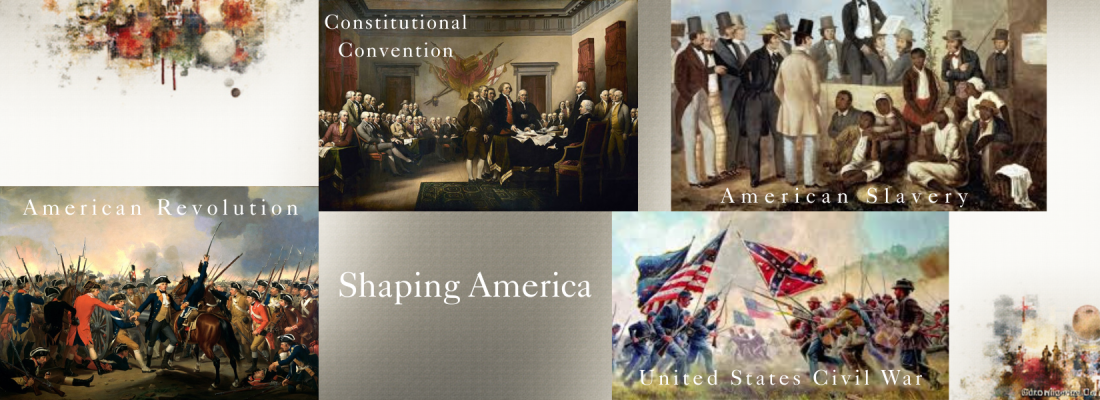
  1. The young United States under the Articles of Confederation was falling apart—states taxing each other like foreign countries, no real army, debt crushing farmers (Shays’ Rebellion showed how bad it was), Britain and Spain circling. Chaos. Delegates from 12 states gathered in Philadelphia—not to force a new order, but to fix what they had.

They started with the individual. The Declaration already said it: rights to life, liberty, pursuit of happiness are unalienable—endowed by nature, not granted by kings or majorities. Government exists to secure those rights, deriving power from the consent of the governed. Autonomy first.

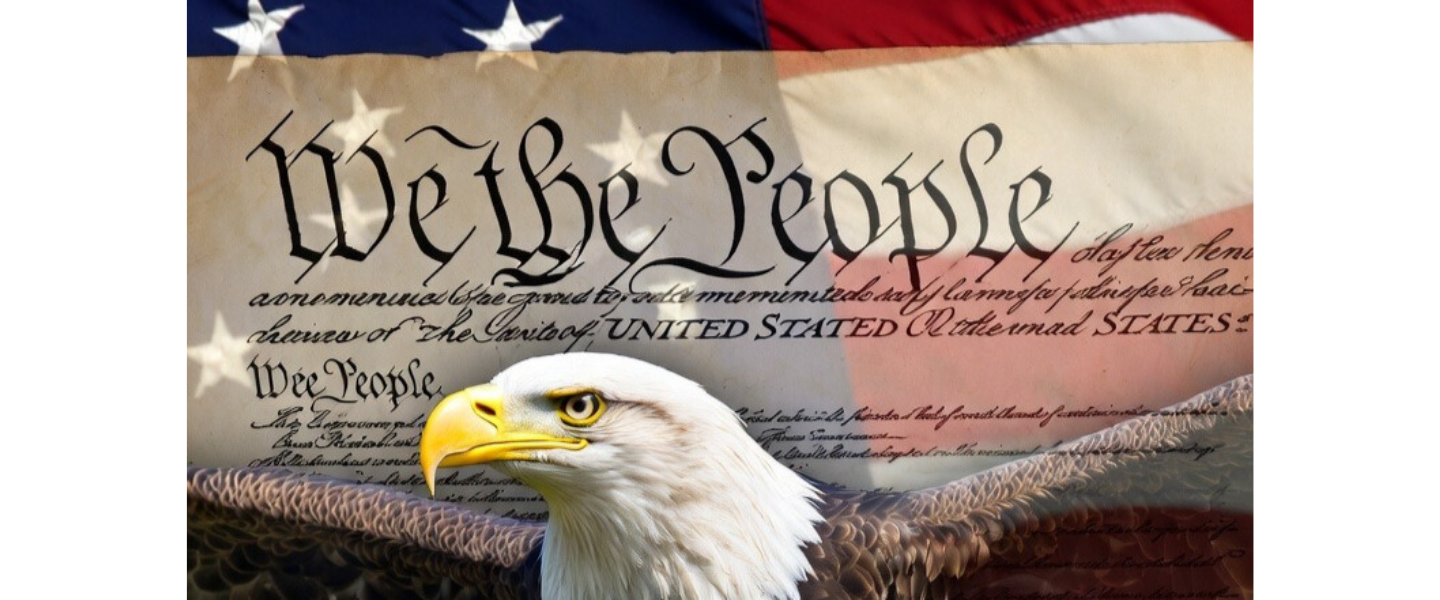
Then voluntary assortment. “We the People” wasn’t a top-down decree; it was a compact. States and citizens chose to unite for common benefits—defense, trade, stability—but kept limits. Federalism split power (national vs. state), separation of powers checked ambition, Bill of Rights protected individuals from overreach. Inclusion was selective: shared values (liberty, rule of law, self-reliance), contribution (work, taxes, defense), assimilation into the culture. Newcomers welcome if they added to the whole, not drained it.

No forced blending. No arbitrary collectives. When compromises happened—like the 3/5 Clause—they were pragmatic necessities to keep the union together. Southern states demanded full counting of enslaved people for representation (to boost their power); Northern delegates wanted zero. The middle ground gave less than the South wanted, limiting slave-state dominance in Congress and the Electoral College. It wasn’t a moral endorsement—it was a tragic trade-off in a crisis where no union was possible without Southern buy-in. The document stayed silent on “property in man” in ways that left room for anti-slavery arguments later (as Frederick Douglass would use). Critics today call it “defective from the start” through a presentist lens—judging 1787 by 2026 standards, ignoring the global reality of slavery then and the risk of total collapse without compromise. The Founders knew, they were – all of us are flawed; they built a mendable system (amendments, ongoing consent) that could evolve through choice and struggle, not perpetual coercion.

This aligned with nature’s grain: Autonomy as baseline, chosen bonds for survival (mutual defense, commerce), active limits to avoid over-competition or tyranny. Voluntary over forced. Consent over conquest. It wasn’t perfect—slavery, exclusion of women and natives—but it created a framework that could (and did) change through internal evolution, not external overthrow.

One system showed a better way. We’ll look at how to live it next.

One consent at a time.

—The Grateful Immigrant Saint Paul, Minnesota

January 23, 2026

LIVE GRATEFUL 🇺🇸

When Choices Are Forced – The Human Twist of Conquest

(Post 4 – Order in the Mess Series)

Nature favors voluntary bonds that add value. We humans often force them instead. Why—and what happens when we do?

OUR TRAGIC NATURE

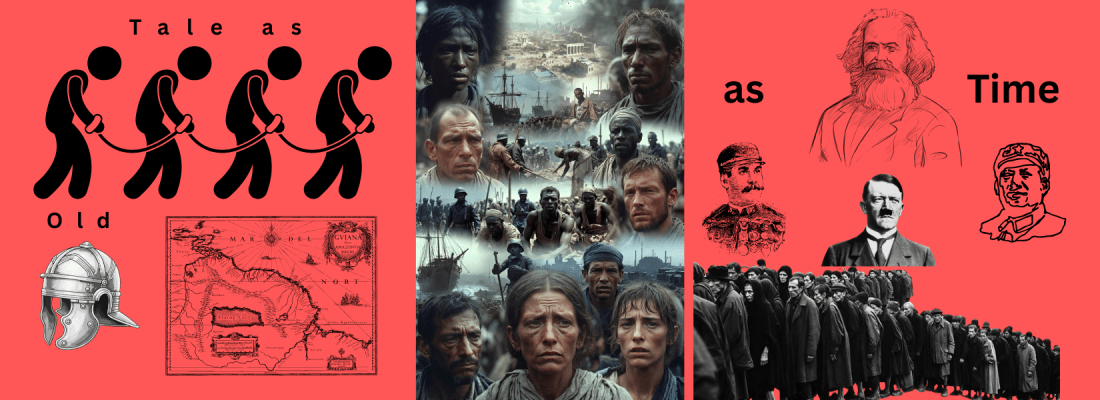
For most of recorded history, conquest was the norm. Tribes raided neighboring tribes for land, food, women, slaves. Empires like Egypt, Persia, Rome, Mongols, Ottomans, Spanish, British swallowed weaker groups for resources, power, glory. The pattern repeats: Stronger group sees something valuable (grain fields, gold mines, trade routes, labor), decides it wants it, takes it by force. Resources are almost always the main driver—land for crops, oil, spices, minerals—but human excesses pile on: jealousy of another’s wealth, revenge for past slights, ideological superiority (“we’re civilizing them”), fear of losing what you have.

Behaviors changed with time and context. In scarcity (ancient tribes, hunter-gatherer raids), force was quick and small-scale. In abundance (empires with armies and tech), conquest scaled up—organized, systematic, sometimes with propaganda (“liberation” or “co-prosperity”). But the core stayed the same: forced assortment. No choice for the conquered—join or die, assimilate or be erased.

Effects? Brutal. Death, displacement, cultural destruction, resentment that festers for generations. Cycles of revenge (one empire falls, another rises to settle scores). Yet side benefits sometimes appeared: conquerors passed on knowledge—Roman roads and law to provinces, Mongol trade routes linking East and West, colonial railroads and medicine in some places. But these were byproducts, not the goal. The primary aim was extraction and dominance, and the costs (suffering, instability) usually outweighed any gains.

Why does force clash with nature’s grain? Because it overrides autonomy and voluntary choice—the same things that make natural assortment work. When people are forced into groups without consent or mutual benefit, trust erodes, cooperation becomes coercion, and the whole thing eventually cracks (rebellion, collapse, new conquerors). Voluntary exchange (trade, alliances) spreads knowledge and resources better, with less blood.

One system tried a different path—voluntary from the start, with built-in limits. We’ll look at that next.

One hard choice at a time.

—The Grateful Immigrant Saint Paul, Minnesota

January 21, 2026

LIVE GRATEFUL 🇺🇸

Insane that he has to explain…

ACCOUNTABILITY & ALLEGIANCE

Deviation from – Order in the Mess Series posts….

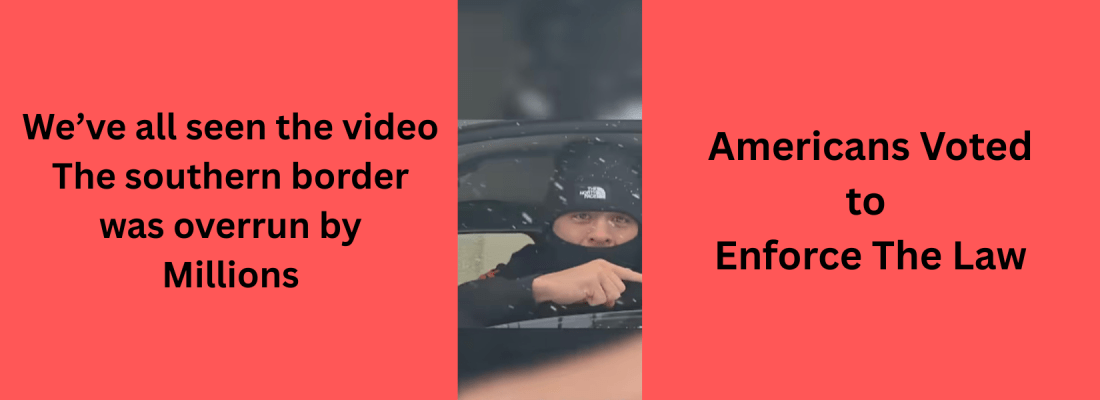
If you haven’t seen this video, you should.

Officer offers clarity…

In one of my previous posts “Doomed by Deceit,” I was referring to these types of people. Either they’re misinformed or they know exactly what they’re doing and are completely complicit in the breaking of our immigration laws – AND ARE PROTECTING CRIMINALS TO BOOT!

How else can you explain these types of behavior?

They’re exhibiting some type of extreme “savior complex.” Completely blind and deaf to the fact that Americans have been victimized by illegals. First, by ignoring our laws on how to properly enter The United States. Then, working illegally taking jobs from Americans lowering wages. Lastly, and even more importantly, some of them have committed and are committing other crimes like theft, drugs and human trafficking, sexual assault and murder.

The protesters’ visceral anger is directed at the Federal Officers NOT at the Illegals. WOW! Like the officer said in the video, “INSANE.”

Sad. Extremely Sad.

-The Grateful Immigrant St. Paul, Minnesota

January 20, 2026

LIVE GRATEFUL 🇺🇸

From Creature Bonds to Human Families – The First Chosen Groups

(Post 3 – Order in the Mess Series)

Creatures choose bonds when going it alone won’t cut it. We humans do the same—starting even smaller and more personal.

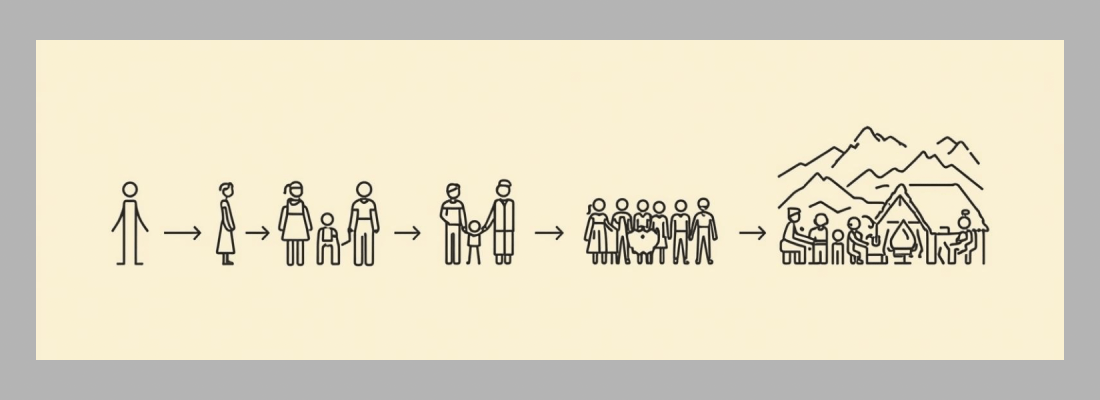
The first human assortment is the individual. Every person starts alone in the world—autonomous, making choices to survive. Then comes the deliberate step: choosing a mate. Not random, not forced—attraction, compatibility, shared goals. A man and a woman decide to pair up, to build something together. From that choice comes the family: children born into trust, shared labor, protection. Mom and dad hunt, gather, teach. Kids learn to stay safe, contribute, pass on knowledge. In harsh times (and most of history was harsh), that small unit is the best shot at making it through winter, predators, or scarcity. No one forces it; it’s chosen because it works.

From family grows the next layer: extended kin. Cousins, uncles, grandparents—people who share blood or close ties. They pool resources, watch each other’s backs, trade labor. A village of 50–150 people (the size our brains can handle real relationships) becomes the next natural group. Shared language, customs, stories around the fire. Inclusion isn’t automatic; newcomers have to prove they add value—hunt well, share food, respect the rules. Outsiders who don’t fit get pushed out or drift away. Exit is possible too—families or individuals leave when tensions rise or resources thin. Fission-fusion: groups split and merge as needed.

Why these limits? Same as the sardines in Post 2. Too small a group, and you’re vulnerable to raids or starvation. Too big, and fights break out over food, mates, status. Trust erodes when you can’t know everyone personally. So humans actively sort: Kin preference first (easiest trust), then proven allies (reciprocity, common values), always with boundaries to keep it workable.

Geography played a huge role too, as Thomas Sowell has pointed out in his books on culture and conquest. In rugged mountains, deserts, dense forests, or poor rivers, travel was hard or impossible. Groups stayed small, fragmented, and kin-focused—limited to whoever was close enough to interact and support each other. Flat land, navigable rivers, or coasts allowed bigger connections, trade, and larger groups. But even then, the natural quotas held: bonds formed for survival perks, not endless mixing.

This isn’t forced top-down; it’s bottom-up, survival-driven. Choose bonds that help you live longer, raise kids, pass on knowledge. Arbitrary mixing (everyone welcome, no standards) or forced inclusion (you must join, no exit) rarely happens in early human life because it fails the test—groups collapse from conflict or weakness.

These first human patterns—individual to family to tribe—show the same script as nature: autonomy within the group, chosen association for survival, active limits to make it last. But as groups grew bigger and more complex, some choices went the other way. We’ll look at that next.

One bond at a time.

—TheGratefulImmigrant Saint Paul, Minnesota

January 20, 2026

LIVE GRATEFUL 🇺🇸

From Broccoli Spirals to Creature Choices: Nature’s Story of Going It Alone or Banding Together

(Post 2 – Order in the Mess Series)

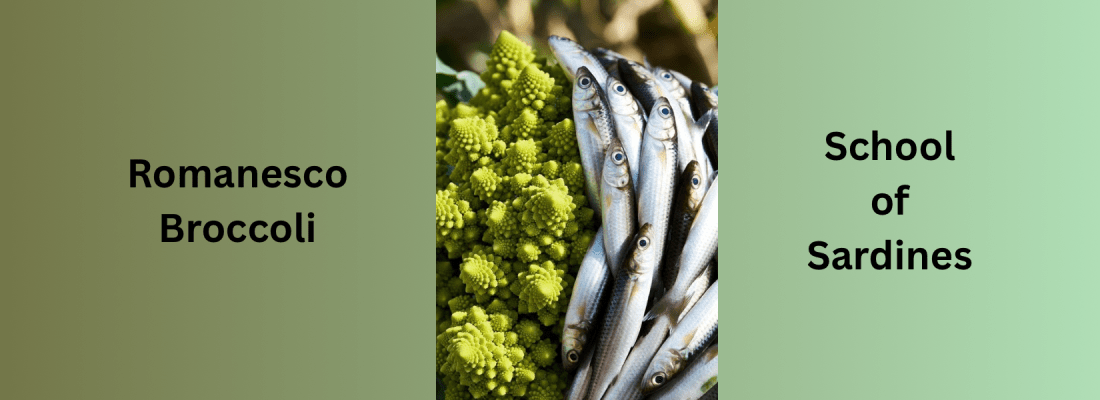
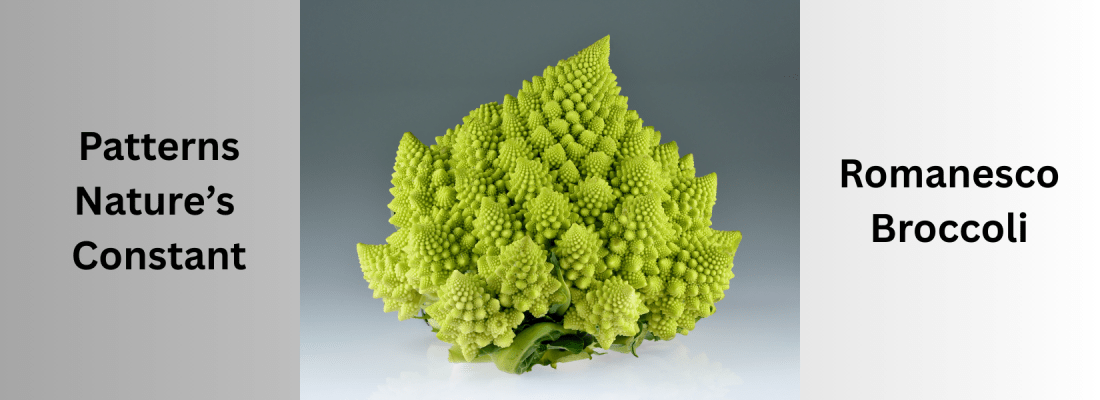
Last time we stared at that Romanesco broccoli in the header. Just a vegetable from the produce aisle, but those spirals on spirals—each little cone mimicking the whole head at a smaller scale. Unmistakable order repeating itself, simple yet beautifully complex. That kind of pattern isn’t a one-off; it’s how the world is wired. And when you look at living creatures, the same order shows up—not in shapes this time, but in how they survive: starting with individual autonomy, then choosing bonds only when it makes sense.

Think of the ocean sunfish, this huge, awkward-looking giant drifting through open water. It weighs up to a ton, feeds on jellyfish, and mostly ignores the rest of the world. No schools, no packs—just solo travel, brief mating encounters, and on it goes. Why? Size is its armor. Predators hesitate before tackling something that massive. Survival doesn’t demand company when your own traits handle the risks.

The octopus tells a similar story. After floating as plankton young, adults claim a den and keep to themselves. They camouflage, ink enemies, solve problems with eight arms and a sharp mind. Strangers? Avoided. Contact? Rare and often tense, especially during mating. Autonomy again: Its smarts and defenses are enough—no need to share space or food with others.

But not every creature can pull that off. Enter the sardines—small, fast, but easy pickings for bigger fish. Alone, one is lunch. So they choose to band together in huge schools, swirling like liquid silver. Strength in numbers: Predators get confused, can’t lock on a single target. More eyes spot food or danger quicker. It’s a clear survival win. Yet it’s not endless or random. They actively sort—by size, speed, even temperament. Subtle spacing keeps them from crashing into each other or fighting over scraps. And the school never just keeps growing forever. Too big, and food depletes fast, disease spreads easier, or the whole mass becomes an easy buffet for coordinated hunters like dolphins. Natural limits—quotas—kick in because overdoing it flips the benefits into costs.

This is nature’s quiet story: Autonomy as the default when your own strengths (size, wits, defenses) let you thrive alone. But when risks stack up—predators, scarce food, isolation—assortment steps in as a deliberate choice. Bonds form for survival perks (protection, better info), but always with active decisions: spacing, sorting, caps on size. Arbitrary endless mixing or forced blending? It doesn’t stick—nature prunes it because it fails the survival test.

We humans run on the same basic script: Start as individuals, then choose our groups when it adds real value. But we’ve layered our own choices on top—some wise, some not. We’ll start unpacking that next.

One pattern at a time.

—TheGratefulImmigrant Saint Paul, Minnesota

January 19, 2026

LIVE GRATEFUL 🇺🇸

From Nothing to Now: Seeing Order in the Mess (Post 1 – Restart)

I jumped the gun on this blog. Got passionate, hit publish too fast, and skipped the real starting line. So here we are—restarting slower, from the very beginning. No sermons, no big theology. Just what I see as a grateful immigrant trying to make sense of the world and share a few tools for the chaos we’re all living in.

Look at that Romanesco broccoli right there in the header. It’s just a vegetable, right? Something you might toss in a stir-fry or pass at the grocery store. But zoom in: those spirals on spirals, each little cone repeating the same shape at every scale. Unmistakable patterns. Not random. Not accidental. Order showing up in something as ordinary as a head of broccoli.

That kind of pattern isn’t rare—it’s everywhere once you start looking. Fern leaves branch the same way. Tree limbs fork and fork again. River deltas spread like that. Even galaxies spin in spirals that echo the same math. Simple on the surface, beautifully complex underneath.

Before any of that existed—before stars, before earth, before broccoli or people—there was nothing. Then something whispered order into the nothing. Light separated from dark. Land from water. Systems clicked into place that allowed life to happen. Life that’s messy—competition, struggle, beauty, heartbreak, all of it. But the patterns hold. The order is still visible if you pay attention.

We can describe what happens pretty well now: gravity pulls, cells divide, fractals repeat, ecosystems balance. We’ve got equations, microscopes, telescopes. But the deeper why? Why order instead of endless chaos? Why patterns that let life emerge and keep going? That part we’re still chasing. We explain the how better every year, but the ultimate why remains out of reach. And maybe that’s okay—it keeps us humble.

That’s where this blog picks up. We’ll walk through those visible patterns in nature (simple creatures to more complex ones), see how they show up in human life, and look at one real-world experiment—the American Founding—that got closer than most to working with those patterns instead of fighting them. No perfect utopia. Just practical history and straightforward habits that help regular people build steady lives even when everything feels loud and broken.

Because the chaos today? It’s real, but it’s not new. And there are quiet, reliable ways through it—one choice, one day, one bit of hard work at a time.

— TheGratefulImmigrant Saint Paul, Minnesota

January 2026

LIVE GRATEFUL 🇺🇸