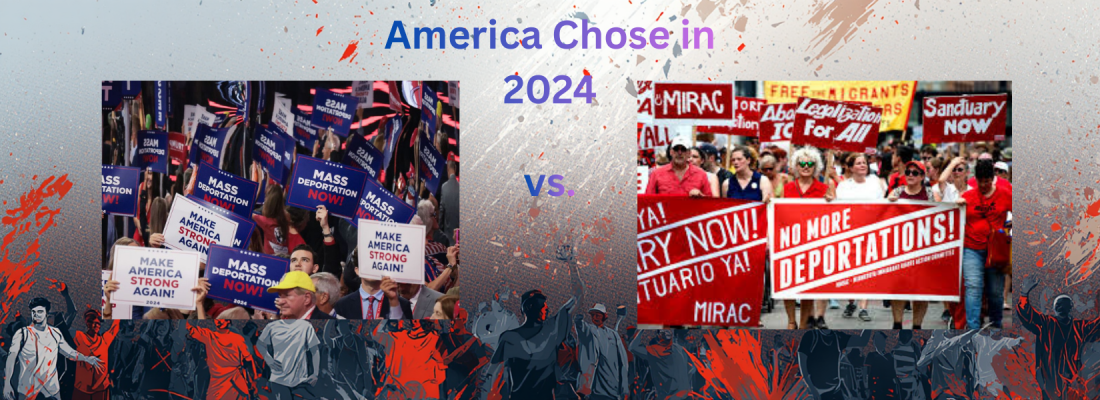
One side keeps pretending WE didn’t decide.
I was having a discussion at work about the shootings here in the Twin Cities. My co-workers—people I’d give the shirt off my back to—had a very different take than I did. These are good, decent folks who show up for work every day and do a solid job.
The key difference in how we saw things boiled down to our underlying premises, and that’s where we really started to part ways. You see, I know those officers are there to execute a legal operation. Yet they’ve been accused of practically doing the work of the devil. One co-worker even pointed out that the officers are supposed to serve and protect, framing it as hypocrisy on their part—and mine.
He and I would argue that most of them believe what I’m about to elaborate on below is illegal. They haven’t taken the time to note that over 40 states have cooperated with little to no chaos, much less fatalities.
As I’ve elaborated here (and perhaps in previous posts), the chaos—from both the enforcement and the protests against it—stems from an overdue correction of rules that haven’t been followed for YEARS.
Donald Trump ran on it loud and clear in 2024. Mass deportations. “Largest in American history.” “On day one.” “Mass Deportation Now!” signs at rallies. He said it in Ohio, Colorado, New York, Texas—every major stop. Voters heard it. Voters chose it.
Now it’s January 27, 2026. He’s delivering.
| STAGE | WHAT HAPPENED / WHAT’S REAL | WHAT THE RESISTANCE HEARS / SAYS |
|---|---|---|
| Election Promise (2024) | Trump pledges mass deportations of undocumented immigrants, prioritizing criminals, starting Day 1. Repeated in rallies, platform, speeches. | “Racist fearmongering.” “Impossible.” “Cruel.” |
| Fulfillment Now (2026) | Over 675,000 removals (official DHS). ~2.2 million self-deportations (estimated due to pressure). Total ~3 million out. | “Chaos.” “Terror.” “Families torn apart.” |
| Arrest Focus | 70% of ICE arrests are criminal illegal aliens (convicted/charged in U.S.). Worst of Worst site spotlights murderers, pedophiles, MS-13, terrorists. | “They’re deporting innocents.” “74% no conviction” (critics cherry-pick detention stats). |
| Detention | ~70,000–73,000 in custody (record high). Surge in officers (12,000 hired). | “Cages.” “Overcrowding.” “Inhumane.” |
| Approach | Aggressive: raids, home entries (disputed warrants), force when resisted. Legal under Article II—no Article III judge needed for enforcement. | “Gestapo.” “Nazis.” “Siege on communities.” |
| Cooperation | 40+ states, 1,300+ local agreements. Quiet ops where locals help. | “States resisting are protecting rights.” |
| Escalation | Flashpoints in sanctuary areas (e.g., Twin Cities shootings, protests). Minimal in cooperating states. | “ICE provokes violence.” |
| Core Truth | Correction for millions let in unchecked (previous admin + pre-existing). Enforcement = force. Rules exist for a reason. | “It’s not a crime.” “They’re just neighbors.” “Compassion over law.” |
Bottom line: He promised mass deportations. He’s executing them—efficient, targeted (mostly criminals), aggressive when needed. No polite invitations. No “pretty please.”
Enforcement has “force” in the word. Because rules without teeth are jokes.
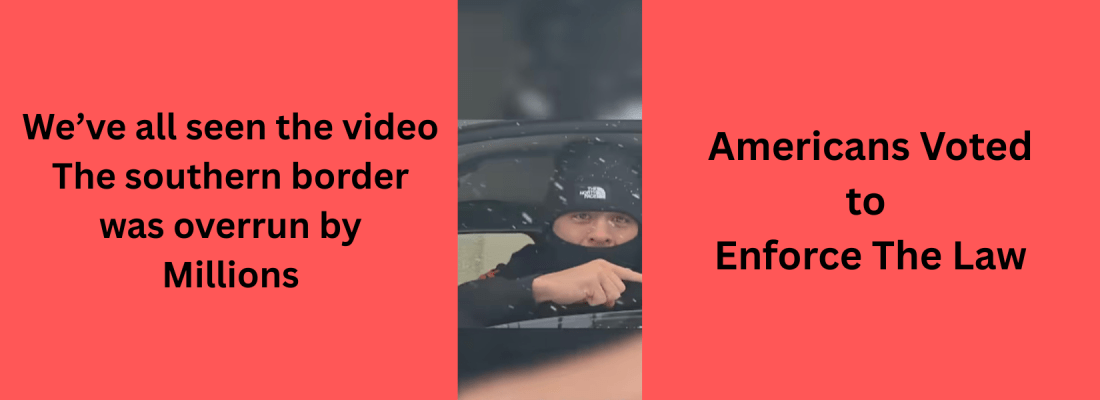
One mirror: voters’ choice, promise kept, safety restored. Two images: justice vs. cruelty.
Hate the bang? Blame the dam that broke first. Not the guy fixing it.
Your call: open borders forever, or rules that mean something? Because if it’s rules… law and force shows up. And it doesn’t
– The Grateful Immigrant St. Paul, Minnesota
January 27, 2026
LIVE GRATEFUL 🇺🇸







 Grateful Immigrant